Extra Income for Small Breweries Using Existing Equipment – The Solution in This Article
Being a small producer means you’re quick on your feet, correct?
You can respond swiftly without corporate hurdles.
However, sales can be irregular – seasons change, tastes shift, and suddenly your primary product isn’t moving as fast.

That’s where extra income for small breweries using existing equipment comes in.
Aromhuset’s concentrates allow you to create still drinks (imagine flat, refreshing sodas without bubbles) that are sugar-free, delicious, and distinctive.
No one else on the market offers this in concentrate form – until now.
Envision this: your microbrewery’s bottling line, usually in operation with beer or cider, is now manufacturing bottles of zesty grapefruit still drink or exotic fruit explosion
The health-conscious customers are enthusiastic about the zero-sugar aspect, as the beverage is sweetened with a natural-tasting sucralose derived from sugar, which is 600 times sweeter, making it virtually undetectable that it’s sugar-free
We have sampled the drinks personally: a small amount in the bottom of a glass, topped off with still water, and voila – amazingly refreshing, without any strange aftertaste
A satisfying and well-balanced soda is achieved with the delicate sweetness contrasting with the tangy notes
Designed for micro distilleries, breweries, and small bottlers by Gert Strand AB in Sweden, Aromhuset crafts these products
Key perks that make this a no-brainer:…Sweetened with high-purity sucralose – made from sugar but insanely sweet, so tiny amounts do the trick. No acesulfame or aspartame, which can leave a bitter edge. Tastes clean and real.
Mix and match flavours: All varieties blend seamlessly. Create your own signatures, like a grapefruit-passionfruit twist or banana-rhubarb fusion.
Popular varieties include Grapefruit, Pineapple, Rhubarb, Grapefruit-Passionfruit, Banana, Blood Orange, Fruit Explosion, Grapefruit-Blood Orange, Gooseberry, Lemon-Lime, Raspberry, Strawberry, and Passionfruit
The wonderful part is, no additional equipment is required
Here’s a basic rundown of the process
Grab your concentrate: Get it from Aromhuset. Begin with a small amount for testing – like a 500ml bottle of Grapefruit to experiment with.
Mix it up: In your tank, add 1 part concentrate to 32 parts filtered still water. Stir gently – done in minutes. No heat, no fuss.
Expense? A 500ml concentrate could cost £3, producing 16.5L – roughly 50 x 330ml bottles
The demand for health trends is substantial, with individuals seeking sugar-free alternatives that do not compromise on taste
Being ahead of the competition in concentrate form means you are the trailblazer
Non-alcoholic drink sales in the UK surged by 20% last year, driven by the popularity of zero-sugar options
Areas of interest:
Managing Typical Obstacles: Important Considerations
Let’s be practical – there are a few points to keep in mind:
For the best taste, the quality of water is significant – opt for filtered or spring water
Explore more flavors: Grapefruit provides a sharp, wake-up call
Pineapple gives a tropical escape
Rhubarb tangy nostalgia
Mingle Grapefruit-Passionfruit for a zingy adult sip
All combinable – devise “Brewer’s Berry Blast” or any other mix that matches your brand
Feeling prepared?
Perform a 10L test batch on a calm day.
Brand and sell in the local market while gathering feedback.
Scale up, list online, pitch to pubs.
This serves as additional income for small breweries using current equipment at its finest – low risk, high reward, and fun flavors.
Your setup is perfect; Aromhuset gives you the secret recipe.
Give it a go, and watch profits bubble up (well, technically) increase.
Well done!
Discover the Ultimate Automated Pinterest Pin Automator
Explore the Ultimate Tool for Automating Pinterest Pins
Visualize a Pinterest tool that requires a one-time setup, then consistently generates fresh pins for you every single day.
I’ve come across a system that achieves this seamlessly.
To keep things simple, I call it Pin Miner, a nickname, and it’s my preferred method for maintaining Pinterest boards with ease.

Examining the Functionality of This System
This system differs from conventional Pinterest tools by focusing on complete automation and limitless options.
Here is the starting point:
Select Multiple Templates:
Choose no fewer than four different pin templates from a wide library.
This ensures each pin produced is unique and visually appealing.
Add Several Pictures:
Upload a selection of photos into your content library.
Use Pin Miner to extract them from your URL, create them using its AI, or upload your own pictures.
The more you provide, the more unique combinations the system can generate.
Ready for non-stop Pinterest growth? Click to begin
Adjust Your Settings:
Choose the frequency for generating pins, whether daily, weekly, or based on your customized timeline.
Start the Process:
Once configured, the system merges templates and images to ensure each pin stands out visually. Say goodbye to redundant designs and lengthy manual work.
Eliminate the repetitive designs and time-consuming manual efforts.
Set it in motion:
With the setup complete, the system fuses your templates and images, guaranteeing each pin has a unique look.
No need to reuse the same design repeatedly or invest hours in manual crafting.
Why This Method is Unique
Guaranteed Uniqueness:
The need for various templates and visuals guarantees that each pin is unique, maintaining an exciting and lively Pinterest presence.
Manual design is not required:
Just organize your templates and images, and the system will manage it all.
You can avoid crafting each pin manually or outsourcing the task.
Adaptable to any requirement:
No matter if you need a few pins each week or thousands per day, this system can handle your demands, making it a great fit for individual creators, businesses, or agencies.
The text is the only component controlled by AI, including titles, descriptions, etc., for your pins and boards.
This means each pin isn’t just visually unique, but also has fresh, optimized copy to boost your reach.
Whether your needs are a few pins each week or thousands every day, this system has the capacity of making it ideal for individual artists, corporations, or agency professionals.
AI-Generated Copy:
Text elements such as titles and descriptions for your pins and boards are the only components powered by AI.
This ensures every pin is not only visually distinct but also features new, optimized text to enhance your exposure.
Benefits Relative to Manual Effort
Method
Duration
Reliability
Expandability
Imaginative Strain
Doing It Yourself
Substantial
Varies
Limited
Foreseeable
Engaging Workers/VAs
Intermediate
Fluctuates
Limited
Possible
This System
Insignificant
Reliably
Endless
None
By setting up templates and images initially, the system’s automation will manage everything, ending repetitive design tasks, removing staff oversight, and stopping creative tiredness.
How to Get Started
Register: Set up your account on the platform.
Select one of the many gorgeous templates available.
Select your favourite designs from the library.
Upload Multiple Images: The more you add, the more unique your pins will be.
Set Your Schedule: Decide how often you want new pins created.
Activate: Watch with ease as your Pinterest boards are automatically updated with unique, professional pins.
Why I Recommend It
What I love about this system (again, I just call it Pin Miner for reference) is how it makes Pinterest marketing truly hands-off.
This eliminates the necessity of recruiting employees, training assistants, or investing your time in pin creation.
Regardless if you need 10 pins per week or 1,000 per day, this system scales seamlessly.
Since each pin is crafted using different template combinations, imagery, and AI-generated text, your Pinterest remains vibrant and interesting.
Indefinitely.
Want to see your Pinterest growth become effortless?
If you want to try the most hands-off, endlessly creative Pinterest marketing tool I have found, check it out for yourself.
With Pin Miner, generate one-time efforts that yield unique pins annually.
Start using Pin Miner by clicking on this link!
Are you prepared to see Pinterest growth without the hassle?
If you want to try the most hands-off, endlessly creative Pinterest marketing tool I have found, check it out for yourself.
Execute the workload once and allow “Pin Miner” to craft original pins for you indefinitely.
Click here to get started with Pin Miner!
Alcohol Distillation and Its Connection to Terpenes
Distillation is one of the oldest techniques for extracting alcohol’s liquid components, making distillation essential in creating spirits like gin, whisky and vodka. Furthermore, this process can also be enhanced with flavorings to produce liqueurs.
Ethanol has a very high boiling point, making it easy to separate it from water. Other less delicious and potentially harmful congeners with lower boiling points must be removed from the final spirit before being blended in, this process being known as distillation head removal or foreshot removal and are known as heads or foreshots and should be discarded as they contain unwanted aromas like methanol, acetaldehyde (responsible for hangovers), acetone and some desirable esters which impart fruity aromas into its formulation.
Distillers strive to capture ethanol while eliminating its associated “faints”, or minor impurities, by skillfully cutting their still’s outflow from heads to hearts – this requires careful timing, as the distiller needs to know when it is time to restart distillation – in order to achieve an ideal heart run with as much pure ethanol content as possible and minimal impurities or flaws. A successful cut results in heart runs that contain as much desired ethanol content with minimal impurities or “faints”.
To do this, they use a column still, which is basically a pot still with partitions or plates set into an ascending column. As the wash vapor rises from the bottom of the still it encounters each plate where heat compels molecules to condense; each plate being slightly cooler than its predecessor means heavier molecules condense further up while lighter ones condense closer to the top of the column.
Alcohol Distillation and Its Role in Folk Medicine
Distillation has long been used as part of folk medicine to create healing and restorative alcoholic liqueurs that were passed from generation to generation, especially among poor populations who couldn’t afford expensive medications or travel for treatment at local apothecaries.
Alcohol distillation involves heating liquid to create vapour which is then condensed by running water through pipes to be cooled back down again, creating distillate (containing many volatile compounds removed from liquid) which then condenses back down as pure alcohol or grain alcohol and can then be used in medicinal tinctures, herbal remedies and food recipes.
Distillates is typically composed primarily of Ethanol, although other substances with lower boiling points such as heads and tails must also be included to form the spirit run. Distillers typically separate these undesirable and potentially toxic substances such as Methanol or Acetone from their spirit run batch, often redirecting it back into another batch for redistillation.
Hearts on the other hand contain desirable substances such as esters. Esters are natural chemical compounds formed when carboxylic acids combine with alcohol to produce pleasant aromas such as fruity sweetness. Distillers use taps on a Perkin Triangle to collect these fractions; their timing of selection decisions determines the final flavour profile of their spirit based on experience, senses and artistry – an invaluable decision-making process!
The History and Evolution of Distillation
History and Development of Distillation Distillation first developed when people realized that heating a liquid would cause its vapors to cool and condense back down into liquid form, creating a separation process for each component in its original mixture.
Early alchemists and apothecaries used distillation techniques when experimenting with medicinal compounds. This allowed for greater precision and observation during their experiments using different pieces of glassware such as flasks, alembics, and retorts for this process.
Distillation was widely practiced as part of church activities during the Middle Ages, alongside medicine and theology, across Europe and the Holy Roman Empire. Benedictines in particular established hospitals, medical schools and distilleries for use both medicinally and purifying substances for scientific research through distillation. Modern equipment developed during this time; one major technical breakthrough being Thaddeus of Florence’s invention of serpentine canal in 1280 which allowed continuous recirculation of vapors as part of distillation – an essential technical advancement.
Following the fall of Rome and into darkness that is known as the Dark Ages, distillation reemerged as a secret art practiced by heretical sects and used for magical ceremonies such as that depicted here by this Coptic manuscript from around 200 B.C. It shows botanical mixtures like juniper berries, saffron threads and cinnamon being distilled into spirits not meant for drinking but for ritual purification of souls.
How to Store Distilled Alcohol Properly
At home bars are beloved, and one way to make sure our spirits taste their best is proper storage. No matter where your drinks reside–from behind a bar to shelf corner in your house to even deep within the freezer (we don’t judge!), all follow these same guidelines.
Light and temperature are two major influences on the flavor and quality of distilled alcohol, both causing oxidative reactions that degrade its color and aroma. Therefore, store your spirits away from direct sunlight in a dark environment at 68oF (20oC) or below.
Liquers and fortified wines contain lower alcohol percentages, which makes them more vulnerable to oxidation over time. Furthermore, these beverages contain volatile ingredients like sugars and aromatics which contribute to this oxidation process and have more severe consequences when stored improperly.
Experts advise storing liquor bottles upright to prevent corks or barrel wood from mixing with the liquid and altering its flavor. Furthermore, keeping smaller batch liquors or bulk containers in your fridge will slow the rate at which alcohol evaporates from its container.
Humidity can also pose a threat to spirits, and should be managed with care to maintain safe conditions for both labels, bottle caps and corks. If you live in an especially humid region, investing in a dehumidifier may help lower humidity and protect the spirits you own from spoilage.
Alcohol Distillation and Its Role in Celebrations
Alcohol distillation has long been an integral component of celebrations, with its spirits serving as one of humanity’s primary recreational drugs. Distillation dates back centuries – Akkadian tablets from 1200 BC detail perfumery operations while Roman Egypt described an alembic in the 3rd century AD describing such operations.
The first vapors that leave a still are called the heads, which contain large quantities of higher alcohols and off-taste congeners such as toxic methanol, acetaldehyde (often blamed for hangovers) and paint thinner-like acetone. Distillers will often dispose of this portion of their run; however, some things such as esters may add fruity aromas that add fruity notes.
As the temperature of liquid in a still increases, so too will its boiling point and its vapor. Furthermore, as component A changes through its passage through the still, this will be reflected in its alcohol content – known as proof or abv on its label.
Understanding when it’s best to cut off distillation is of critical importance during production; this decision depends on experience, the quality of base ingredients used and their craftmanship as well as personal artisanship of each distiller. After cutting-off distillation, distillers may opt to filter, age and/or flavor their product before bottling for sale or distribution.
Aromhuset India Tonic Syrup – an essential element for carbonation in the home such as Soda Stream
Home carbonation systems requiring tonic syrup make delicious homemade soda drinks that taste extravagant if chosen with care. Pick one of the numerous flavors to most suit your taste and enjoy the ultimate experience of carbonation at your home!
If you’re struggling with which flavor to buy, do your research on each flavor’s characteristics and go through the description. Some are universal flavors, like Lemon-Lime or Coca-Cola (7Up as well as Sprite).
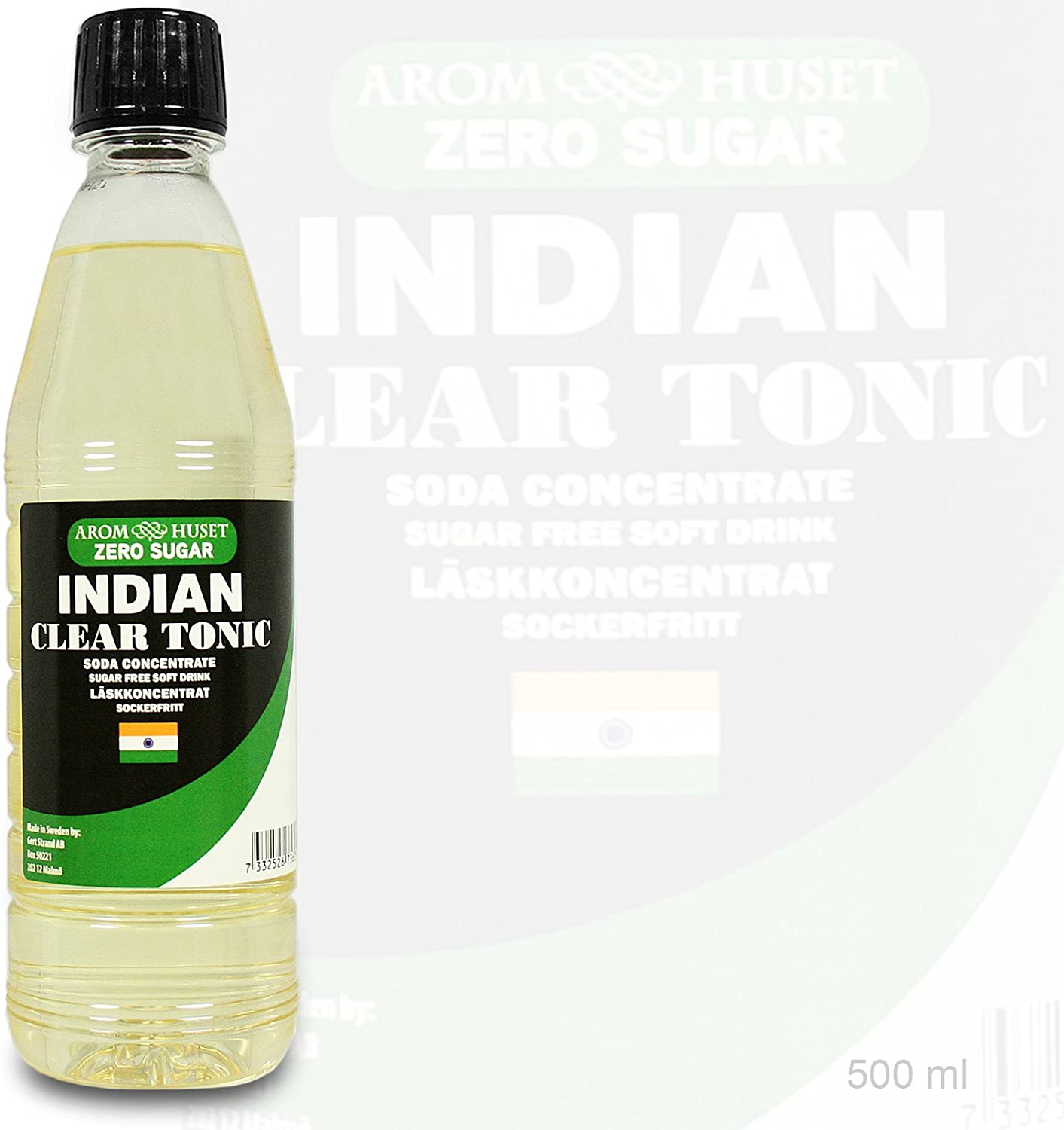
Aromhuset Zero Indian Tonic syrup to be used for home carbonators
Aromhuset Zero has no added sugar and is deliciously refreshing, providing an ideal replacement to traditional sodas. It also pairs perfect with all vodkas or Gins. Take it for a refreshing everyday soft drink; but keep an eye on this premium beverage as it can be difficult to come by.
Select the soda flavor of reputable manufacturers to guarantee that your new taste will be delightful and satisfying. Taste and taste of soda are determined by the ingredients. Therefore, it is important to purchase only from reliable manufacturers. To ensure the best quality, you should read reviews by other customers on the soda syrup that interests you before purchasing; read the ingredient lists attentively for any sweeteners that have a bad taste, such as Acesulfame and aspartame. These sweeteners can result in disappointment with regard to taste and sweetness.
Certain soda flavors are popular and well-known that you can even identify they are even in your sleep! If you open the Aromhuset Indian Tonic flavor bottle, for example the flavor should appear immediately obvious, However, with newer flavors, it might not be as evident.
If you’re not sure that Aromhuset Zero Indian tonic syrup for home carbonators will taste like read the label first. It might help to gain a better understanding. Words such as “sweet and bubbly” might be a clue to its taste, which will allow you to determine whether or not it’s something you’ll love or dislike. But be aware that the flavor is strong, so it’s best to take a taste test before making a decision. chances are it may become an integral part of your daily routine this means, saving you half the cost!
Review other users’ reviews of Aromhuset zero Indian or tonic syrup from your carbonator that you can make at home. This will give you a better idea of what you can expect to get for your family and yourself. Reviews should include the types of sodas were made using it so you can make an informed decision to make healthier versions of the drink yourself. It is essential to learn about this prior to making healthier drinks at home!
Aromhuset Zero-sugar and without aspartame Zero syrup concentrate.
Aromhuset Sugar-free and aspartame-free Zero syrup concentrate.
Sugar-free sugar syrups are a good way to sweeten and improve drinks without adding extra calories. You can use it in place of syrup when creating beverages such as Gin & Tonic and Vodka & Tonic cocktails.
Choose a brand that does not contain corn syrup, sugar or unappealing sweeteners, like saccharine, acesulfame or aspartame which could alter the flavor for example, saccharine aspartame or acesulfame. Such ingredients may leave your drink tasting artificial and metallic or bitter Plus, a lot of syrups contain preservatives, which can alter the taste of the drink.
At the nearest store chances are you’ll be able to locate various syrups however none of them are originated from Aromhuset. There are some that may be hand-crafted, and others might not.

Sugar-free items typically contain sweeteners, such as aspartame or acesulfame as sweeteners with low calories and are suitable for those suffering from diabetes if they’re understood and read. Natural ingredients such as stevia or honey are also a possibility toward a reduction in calories. the best sweetener is Sucralose from the UK Company Tate and Lyle company was designed with sugar to create maximum sweetness. It is a solution in a multitude of.
In the same way as all business decisions making the right syrup is vitally important when offering alcohol-free and non-alcoholic drinks. Sugar-free beverage syrups should be flexible enough that they blend seamlessly into numerous drinks, while gluten-free alternatives may be offered. When it comes to serving alcohol-based drinks such as Gin and Tonic or Rum and Cola cocktails, make sure you utilize sucralose sweetened soda concentrate since alcohol may cause an increase in the off-taste of all other sweeteners.
Aromhuset Zero syrups have sucralose as an alternative sweetener and are completely free of preservatives, which makes them better for diabetics than conventional sweeteners. They aid in appetite control and mood management. Furthermore, Aromhuset Zero products may assist in reducing the risk of heart disease, as along with food allergies or restrictions, making these products the ideal choice for those who are on a diet or who avoid gluten.
Aromhuset Zero Soda Syrup can only be purchased from Amazon UK.
Sparkling water makes a great complement to cocktails and other spirits, and also serve as a viable substitute for sugary fruit juices and sodas. Some sparkling water varieties boast less calories and may aid digestion!
A fizzy beverage composed of quinine concentrate, sweetener, citric acid and lime/lemon flavours. Tonic water tends to be a lower calorie drink certain brands contain up to 32g of sugar in a 12-ounce bottle. It’s recommended to read the labels to find out which versions do not include additional sweeteners, like Stevia for optimal outcomes.
Sparkling water might have less of an effect on hydrating as still water does however, it’s an excellent alternative to fruit juices, sugary drinks, and sodas. Regular consumption of sparkling water can aid in maintaining the body’s weight in a healthy way by reducing the risk of becoming overweight and suffering from diabetes. Beware of any added sugar or sodium in sparkling water with flavored flavors that are typically more flavorful than plain sparkling water! Aromhuset has over 20 water droplets that you can mix with carbonation-based fizzy water at home from Aromhuset which you can buy on our website or in Germany on Amazon!
If you’re looking to shed pounds seltzer or flavored carbonated (or plain) water, is the best choice for a drink that helps you lose weight. The drink is sugar-free and has no calories even a drop, you can add citrus slices or cinnamon for a supplementary spice and to boost its flavor as well as add vitamins and minerals to the mix.
Sweetener leaves no evidence in your system.
Carbonated water has been the subject of a lot of media attention as a desirable healthier alternative to soft drinks and juice drinks with sugar. But it’s important to remember this: not all sparkling waters are made with equal quality – some could cause stomach issues or damage your teeth as well as contain sugars that are added, however there are many tasty sparkling waters without added sugars to offer as alternatives. There are many healthy sparkling waters alternatives to choose from such as flavoured drinks or sodas.
As most carbonated beverages are enhanced with sugar, some brands also employ other types of sweeteners. Maple syrup is a clear and thick liquid made of sap and is widely used to sweeten beverages in baking and cooking recipes. Fructose, which is naturally found in the fruits and vegetables offers similar sweetness as sugar that is in soft drinks like Pepsi Cola.
The sprinkling of water in a sparkling glass can aid digestion, while also hydrating. It can aid in relieving constipation as well as improve swallowing ability and lower cholesterol levels and risks of obesity related to heart disease. While there are studies on the advantages of carbonated waters, more research is needed to determine their efficacy.
Substituting carbonated to plain water is a simple and enjoyable way of making it a refreshing drink, perfect for quenching thirst after exercise or when it is hot. Plus, adding fizz can create delicious cocktails.
Explore the assortment of Aromhuset Zero Soda concentrate on Amazon UK by clicking here
Aromhuset Zero Aromhuset of Sweden Soda flavor concentrates.
Discover the variety of Aromhuset Zero Soda Concentrates.
Aromhuset is the most suitable choice for making sparkling, delicious tasting water. This premium soda concentrate that is only available on Amazon UK and Amazon DE is great for SodaStream.
It’s a good choice for people looking to make sparkling water but do not want the extra calories. It can also be used in other recipes and drinks.
Aromhuset provides a wide range of flavors, including fruity tastes.
Experimenting with the world of alcohol-free Spirits
In the last few years, there’s been a noticeable change in the market for beverages. As health awareness is on the rise and a need for more mindful choices, the popularity in alcohol-free spirits has risen. Abstinence from alcohol seen as being a way to avoid drinking It’s now an opportunity to indulge in a variety filled with unique and intriguing flavours.
In this article, we set off on a tour to explore the world of alcohol-free spirits. In this article, we’ll examine the various types, look into their flavor profils, and discover which ones can be used as a versatile base for brewing delicious drinks. It doesn’t matter if you’re a no-drinker, a designated driver, or simply trying to reduce your drinks, there’s something in the world of alcohol-free spirits for everyone.
The rise of alcohol-free spirits
Awe-inspiring, innovative increasing in demand these spirits that are alcohol-free have become pioneers in the drink industry. Traditionally these drinks were confined to sodas, juices, or sugary mocktails which usually make non-drinkers feel that they were not getting the sophistication and elegance of liquor-based cocktails. However, the development of alcohol-free spirits has altered the entire game.
This rising trend isn’t just a fad. It’s an indication of changing consumer preferences. There are many people who want alternatives that allow them to enjoy a social drink but without the negative consequences of alcohol. Whatever the reason, whether it’s health-related such as pregnancy, sobriety or just to try new drinks, alcohol-free spirits developed a niche the market.
Different types of alcohol-free spirits
In the case of alcohol-free spirits the range is astounding. Much like their alcoholic counterparts they come in a variety of varieties, each with distinct flavors. We’ll take a closer review of some popular types:
1. Non-alcohol Gin
Gin that is well-known for its botanical infusion, has found its non-alcoholic version. Non-alcoholic gins capture its essence from traditional Gin, comprising juniper and a wide range of herbs and spices. They offer the familiar gin taste but without alcohol and are perfect for making alcohol-free versions classic cocktails like that of the G&T.
2. Alcohol-Free Whisky
For those who love whisky it is a daunting prospect to go off alcohol could be seen as a sinister move. But whiskies without alcohol are here to challenge this perception. These spirits reproduce the woody, smoky and even peaty notes of whisky that are traditional. It doesn’t matter if you’re drinking it straight or on the rocks or in a sophisticated cocktail, whisky that is alcohol-free opens up new possibilities.
3. Non-Alcoholic Rum
Rum’s tropical appeal is undeniable, and non-alcoholic versions are now on the market to bring that same essence. With hints of caramel vanilla, and spices, rum that is not alcoholic is an ideal choice for making exotic mocktails inspired by your preferred Caribbean holiday.
4. Alcohol-Free Vodka
Affectionately known for its neutrality as well as ability to adapt, vodka is a preferred choice among the ranks and alcohol-free liquors. Alcohol-free spirit provides a pristine platform for mixologists, allowing them to craft various cocktails. From fruity and refreshing to bold and spicy, the possibilities are endless.
5. Other Varieties
Beyond these categories, the market for alcohol-free spirits is growing. There are alcohol-free tequilas, brandy and even non-alcoholic maro every one of them offering a unique flavor experience.
Flavor Profiles and Combinations
Every alcohol-free spirit boasts a distinct flavor profile. Knowing these profiles is crucial to making delicious mocktails. Much like you’d pair wine with food, alcohol-free spirits may be mixed by mixing various ingredients to boost their flavours. Here’s a brief overview of how to pair your spirits with the right elements:
-
Non-alcoholic Gin The notes of plants in non-alcoholic Gin pair wonderfully with citrus, herbaceous ingredients like mint and basil as well as aromatic components like lavender.
-
Whisky that is Alcohol Free Its smoky and sweet flavors of whisky without alcohol shine when they are paired with sweetness notes like maple or honey, as well as spices like cloves and cinnamon.
-
Non-alcohol Rum Tropical fruits such as coconut and pineapple compliment the Caribbean flavor of non-alcoholic rum while spices like allspice and nutmeg provide depth.
-
Alcohol-Free Vodka Vodka’s neutrality makes it a great candidate for different flavor profiles. It’s delicious with fruits herbal, herbs, and spices, depending upon the specific cocktail.
-
Others Varieties The main thing to remember is to try and discover. Be it non-alcoholic, tequila, lime and agave or an alcohol-free maro made with chocolate and coffee there are endless possibilities only by your creativity.
While we continue our exploration into the spirit world that is alcohol-free, we’ll learn how these versatile ingredients are able to be used in the making of conventional cocktails, unique fusions, in addition to refreshing mocktails. In the next segment, we’ll equip you with everything you need to know about the tools and ingredients needed to begin your mixology journey.
Are you ready to get started? In the next section, we’ll put up your mixology stations and stock your pantry with everything you’ll need for making delicious alcohol-free spirits-based beverages. Let’s get started!
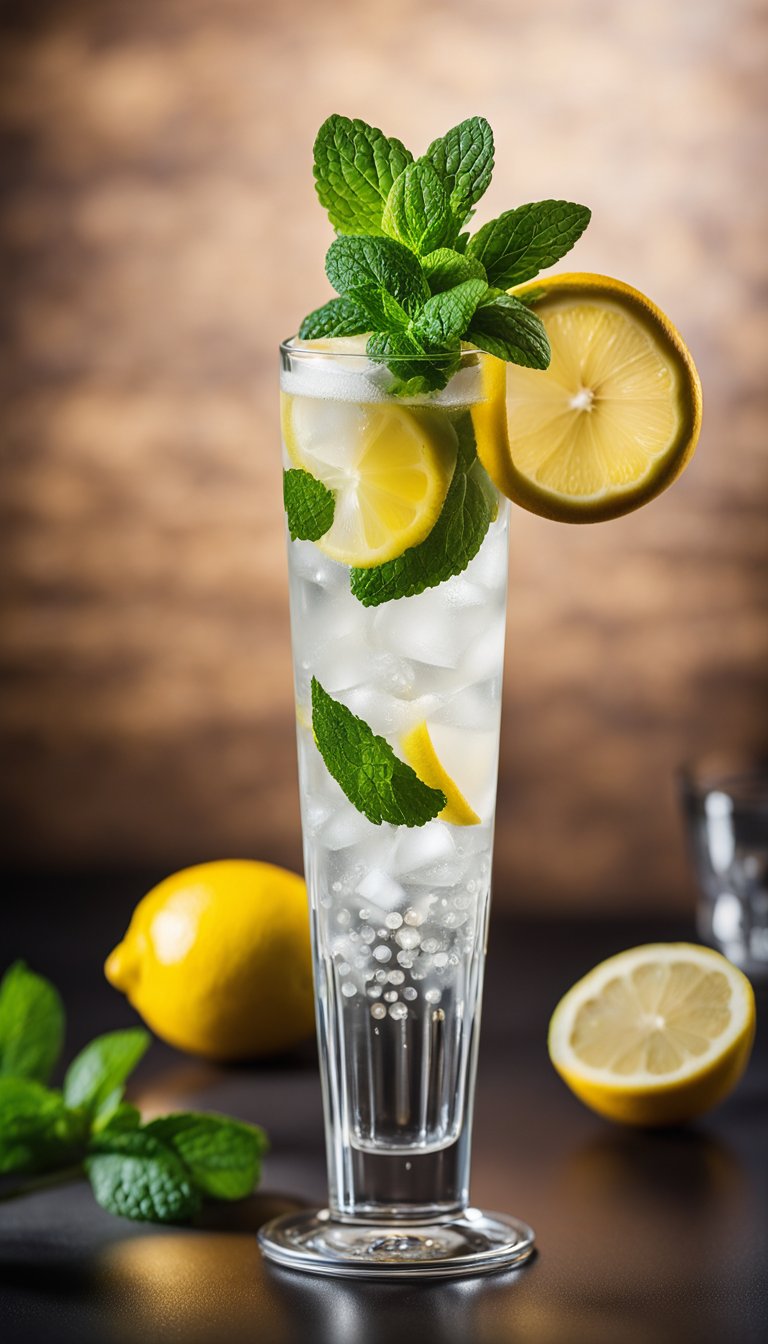
Exploring Flavorful Mocktails using Alcohol-Free Spirits
In the world of drinks there is a craft to making alcohol-free, delicious drinks that aren’t boring. As we travel through the intriguing universe of liquor-free spirit, we’ll reach a point where creativity and mixology blend seamlessly. In this chapter we’ll examine how you can make amazing mocktails by using alcohol-free spirits that compete with their alcohol-based counterparts in taste and class.
Unleashing Your Inner Mixologist
Before we can begin making mocktails, it’s important to have the right items and ingredients to make our mocktails more appealing. What you’ll need:
Essential Tools
- Cocktail Shaker The most essential tool for mixing ingredients and freezing your cocktails.
- Muddler To gently crush fruits, herbs, or spices to unleash their aromas.
- Strainer For ensuring that your drinks are smooth and free of dust.
- Jigger To ensure the precise measurement of ingredients.
- Stirring Spoon is ideal to blend ingredients easily without shaking vigorously.
- Glassware An assortment of glasses for serving various mocktails.
Core Ingredients
- Alcohol-Free Spirits is the center of attention! Select from our selection of alcohol-free spirits based upon your desired flavor profile.
- A fresh selection of Fruits and Juices: Citrus fruit like lemons or limes, along with tropical fruits and berries, can bring freshness and zing in your cocktails.
- Herbs and Spices: Mint, basil, cinnamon and cloves are some of the ingredients that can improve the richness of your drinks.
- Sweeteners Such options as simple syrup, agave nectar, or honey can help balance the flavors.
- Soda Water: A staple for creating effervescent mocktails.
- Garnishes: Lemon twists, lemon wedges, as well as herbs makes your cocktail look appealing.
In the process of creating the Perfect Mocktail
Once we have the tools and ingredients prepared and ready, we can dive in the realm of mocktail creation. Let’s go through some classic recipes for mocktails that show specific characteristics of alcohol free spirits:
1. The alcohol-free Gin and Tonic
Ingredients:
- 2 oz Alcohol-Free Gin
- 4 oz Tonic Water
- 1 Lime Wedge
- Ice Cubes
Instructions:
- Fill a glass up with ice cubes.
- Pour the alcohol-free gin onto the ice.
- Make sure you squeeze the lime wedge in the glass and drop it into.
- Tonic water and stir gently.
2. Virgin Whisky Sour
Ingredients:
- 2 12 oz Alcohol-Free Whisky
- 3/4 oz Freshly Squeezed Lemon Juice
- 1/2 oz Simple Syrup
- Lemon Twist for Garnish
- Ice Cubes
Instructions:
- In a shaker, add ice.
- Add whisky that is alcohol free the lemon juice, and simple syrup.
- Shake vigorously.
- Strain into a rocks glass that is filled with water and ice.
- Garnish with a lemon twist.
3. Pina, Alcohol-Free Pina-a-Colada
Ingredients:
- 2 oz Alcohol-Free Rum
- 2 oz Coconut Cream
- 4 oz Pineapple Juice
- Pineapple Slice and Cherry for Garnish
- Crushed Ice
Instructions:
- Mix the alcohol free rum, coconut cream and pineapple juice together with crushed ice until it is smooth.
- Pour into a chilled glass.
- Garnish the drink with a slice of pineapple and a cherry.
These are only a few cocktails that you can prepare using alcohol-free spirits. There are a myriad of possibilities, and it is possible to try various combinations that suit your preferences. Remember that the secret to an outstanding mocktail is balance aEUR” an amalgamation of sweet, sour, and aromatic components that dance in your mouth.
Exploring Mocktail Pairings
One of the greatest pleasures of making a mocktail is finding an ideal mix of drinks to suit various types of cuisines and events. Here are a few suggestions to make your mocktail more enjoyable:
-
Asian Food Flavors Fruit-forward mocktails: Mix them with Asian dishes like sushi or Thai curries for an invigorating contrast.
-
Grilled Feast Smoky and spicy mocktails pair well with grill food items and vegetables, delivering a delightful counterbalance.
-
Dessert delights Sweet mocktails with some spice are ideal accompaniments for desserts such as chocolate cakes or crA”me brA>>lA(c)e.
-
Brunch Bites These bright and fruity mocktails fit for brunches, paired with food items like eggs Benedict or French toast.
Then, as we embark on a travels into to the world of alcohol-free spirits and mocktail mixology, our next stop will focus on the benefits to health and healthy consumption of these fantastic creations. So, let’s raise our glasses (mocktail glasses, that is) to the adventures that lie ahead!
In the upcoming section we’ll look at the health-conscious benefits of drinking alcohol-free spirit and how they could be a part in a healthy and balanced lifestyle.
Leading the Non-Alcoholic Trend: Order Direct from Swedish Distillers for Bulk Excellence!
The Health-conscious Choice: Benefits of Alcohol-Free Spirits
As we continue our exploration of the fascinating world of spirits that are alcohol-free, we’re at the zenith of the journey towards” realizing the myriad benefits to health that are associated with using these alternative alcohols. In this article we’ll look into the numerous reasons why people prefer alcohol free drinks as a healthy choice and what makes it more than an occasional trend.
The Wellness Movement and Alcohol-Free Spirits
Believing in a Balanced Way of Life
In today’s era of health and wellness consciousness there are many who are rethinking their lifestyles, and looking for harmony in every aspect of living, from what they consume. Alcohol-free spirits have become an option that’s in complete alignment with this ideal.
Reducing Alcohol Intake
One of the main reasons people prefer alcohol-free spirits aims to lower their consumption of alcohol. Perhaps it’s due to personal health concerns, pregnancy or just a desire to be more conscious of consumption of alcohol, alcohol free spirits provide a solution to allows consumers to enjoy the delicious flavors of spirits with no associated alcohol content.
The benefits of abstaining from alcohol
Calorie Consciousness
Alcohol-free spirits typically are lower in calories as compared to counterparts alcoholic. This is attractive to people who are weight-conscious and keen to enjoy a drink with no compromise to their diet.
Hydration, Refreshment and Food
Alcohol-free spirits can be enjoyed in numerous ways, such as mixed with soda or water that makes them a hydrating and refreshing option, especially during warm weather or after the gym.
Without Hangovers
Perhaps one of the primary benefits of spirits without alcohol is the absence of hangovers. One can enjoy the best flavors without suffering the unpleasant side effects that are often associated with drinking alcohol.
Socializing that is inclusive and responsible
Designated Drivers
Designated driver status is no longer a requirement to stay away from tasty drinks. Alcohol-free spirit allows designated drivers to be active participants in celebrations without compromising security.
Inclusivity
Alcohol-free spirits can be inclusive and ensure that everyone, not just non-drinkers or those with dietary restrictions, can join in celebrations and toasts and not feel excluded.
The Role of Mixology
Elevated Mixology
Mixologists and bartenders are taking up alcohol-free spirits as a canvas to express their creativity. They create intricate and delicious alcohol-free cocktails that compete with their counterparts with alcohol, making sure that people who do not drink alcohol can still drink premium, hand-crafted drinks.
Expanding Palates
For those looking for new flavor flavors, alcohol-free spirits come with various flavors and profiles. From botanical and herbal as well as smoky and hot, there’s a world of palate-pleasing options to explore.
The intersection of flavor and Well-Being
As we navigate the realm of alcohol-free spirits and the numerous advantages, it is evident that these drinks are more than a fashion. They’re a way of life that is driven by a desire for fitness, diversity, and the enjoyment of enjoying drinks without the need to consume alcohol.
In the coming section In the next section, we’ll have a closer take a look at the neo-creative side of alcohol-free spirits. We’ll also explore exciting mocktail recipes that will bring your drink to new heights. If you’re wondering about the art of creating delicious alcohol-free drinks, keep reading as we embark on our journey into mixology.
Are your eager to explore the world of alcohol-free mocktail recipes and discover the wonders of mixology using these spirits? We’ll continue our journey to discover the art of making exquisite mocktails just as delicious as they are healthy.
The Art of Making Alcohol-Free mocktails to enhance your Sipping Experience
In our exploration of the realm of alcohol-free spirits, you’ve seen the health benefits, the growing popularity of the drinks, and the many flavor options these spirits offer. As we dive deeper into this captivating world we’ll reach the point at which creativity meets refreshing aEUR” this is the practice of making mocktails that are alcohol-free.
Mixology Unleashed: Create Alcohol-Free Masterpieces
Mocktail Renaissance Mocktail Renaissance
Mixology is the art and science of crafting cocktails, has taken an exciting turn thanks to the popularity of alcohol-free spirits. Mixologists, bartenders, and bartenders all over the world have been making a splash with this movement, creating new types of mocktails that test the boundaries of traditional cocktail making.
Premium Ingredients
Just as the top-ofthe-line liquors form the basis of classic cocktails, top-quality alcohol-free spirits make up the heart of modern mocktails. They are infused with botanicals in the form of herbs, spices and plants are able to provide a variety flavors that rival alcoholic counterparts.
Designing Your Own Alcohol-Free Cocktail
The Basic Elements
Crafting an alcohol-free mocktail begins in understanding the fundamental components. You’ll need a starting point (the alcohol-free spirits) and mixers (juices sodas, liqueurs, or flavors of water) as well as sweeteners (like honey syrups and syrups) and garnishes (fruits herbal, herbs or spices).
the Power of Presentation
Presentation is a crucial factor in the overall experience. From beautiful glassware to creative garnishes and the overall aesthetics of any mocktail is able to elevate the overall experience.
A Journey Through Flavor Profiles
Citrus Perceptions
The citrus flavors are very popular in mocktail making. The zesty flavors of lemon citrus, lime, and orange can add a pop and a slight sourness beverage.
Herbal Infusions
Herbs such a mint, basil and rosemary could infuse your mocktail with a zing of freshness. They’re typically blended or used as garnishes that release their aromatic oils.
Fruit Fusions
Fruits are the top-quality mocktail ingredients. Whatever it is, whether it’s the sour taste of strawberries, the tropical vibes of pineapple or the earthy flavor of berries, fruit adds richness and flavor to your drinks.
Cocktail Recipes to Inspire Your Inner Mixologist
1. Sparkling Berry Bliss
Ingredients:
- 2 oz alcohol-free berry-infused spirit
- 1 oz cranberry juice
- 1 oz sparkling water
- Fresh mint leaves and fresh berries to garnish
2. Citrus Sunrise Fizz
Ingredients:
- 2 oz alcohol-free citrus spirit
- 1 oz orange juice
- 1 oz pineapple juice
- A splash of the grenadine
- A slice of orange and maraschino cherry for garnish
3. Herbal Elegance
Ingredients:
- 2 oz alcohol-free herbal spirit
- 1 oz lemon juice
- 1 1-ounce honey syrup (equal parts water and honey)
- Fresh rosemary sprigs, lemon twist to garnish
Blendology Mixology: Where Taste meets Wellness
Making alcohol-free mocktails isn’t simply about re-creating classic cocktails. It’s about making a new and exciting world of flavors and tastes. Each drink provides the opportunity to discover, play around, and enjoy unique flavour profiles as you make a conscious choice for your health.
What’s Next for Us on Our Journey?
In this section, we’ve explored the techniques behind mocktail mixology, as well as the delight of making your creations that are alcohol-free, our adventure into drinking alcohol-free spirit continues. In the coming section, we’ll discuss the importance of conscious consumption and socializing. showing how alcohol-free spirits are shaping more open and thoughtful drinking culture. If you’re intrigued what the future holds for social drinking, continue studying and let’s discuss the future together.
The Future of Alcohol-Free Spirits: Redefining Social Drinking
It’s time to conclude the fourth installment this series on spirits that are alcohol free. In this last article, we embark on a journey into the future of social drinking, looking at how alcohol-free spirit is changing the way we drink. In this article, we’ve discovered the health benefits of drinking as well as the art of making mocktails, and the enthralling universe of flavours offered by alcohol-free spirits. Let’s now look into the crystal ball to imagine an age where inclusive thoughtful, enlightened, and enjoyable social drinking does not have any limits.
The rise of Mindful Consumption
A shift in perspective
One of the most striking developments we’ve seen over the last few years has been a shift with regard to alcohol consumption. More and more people are choosing be mindful of the things they consume, while making choices that align with their wellness and health desires.
No-alcohol as the new Standard
Alcohol-free spirits play a key contribution to this shift. They allow people to experience the social aspect in drinking without having to worry about alcohol content. So, individuals can enjoy a drink with a great taste while maintaining full control over their drinking habits.
An Inclusive Drinking Culture
Breaking Barriers
A new generation of spirits that are alcohol free is breaking old barricades associated with drinking. It doesn’t matter if a person isn’t drinking for health, religious, oder personal or religious reasons, they can nevertheless enjoy drinking with friends at occasions, without feeling secluded.
Creative Mocktails for All
The advent of alcohol-free spirits brought about a new age of mixology that is brimming with creativity. Restaurants and bars are equipped to serve a huge selection of mocktails, ensuring that those who don’t drink can enjoy drinks that are as thrilling as traditional cocktails.
Redefining Social Gatherings
The Host that is Alcohol-Free
The way we host social gatherings has evolved thanks to the accessibility of alcohol-free spirits. People who do not want to serve alcohol-based drinks can have a variety of scrumptious mocktails, guaranteeing that guests will have something distinctive to enjoy.
“The responsible choice”
Being responsible hosts has never been easier. When you serve alcohol-free beverages, you’re not just catering to all your guests, but also promoting responsible consumption.
A Glimpse into the Future
Innovations Await
As we approach the future, we can look forward to even more innovative developments in the alcohol-free spirits sector. From new flavors to more advanced distillation techniques the possibilities for alcohol-free spirits will continue to increase.
Global Adoption
Alcohol-free spirit is getting recognition around the world. As more and more people embrace this movement, it will become more prevalent to see non-alcoholic options on menus and at social events across the globe.
A Recap of Our Journey
Before we conclude this series We’ll have a minute to reflect on the major moments from our exploration of alcohol-free spirits:
-
The first article: In the first part of this exploration by learning about the wellness benefits of alcohol-free spirits from improved sleep to lower calorie intake.
-
Article 2: Nous delved deeper into making drinks that are alcohol-free. Here, creativity never ceases to be a thing and presentation matters the most.
-
Article 3: We were enticed as we explored the variety of flavors, from citrus tang to herbal infusions.
-
article 4 The mixologists we became in our own way, exploring mocktail recipes which inspire and delight.
-
Article 5 (This Article): We gazed into the future of drinking socially, a place where mindfulness, inclusivity, and innovation are at the forefront.
A toast to a brighter future
As we raise our glasses filled with tasty alcohol-free mocktails of courseaEUR”let’s celebrate a future where drinking socially is more welcoming, responsible, and enjoyable than ever before. Alcohol-free spirits haven’t just increased our drink options, but are also changing our attitude to drinking. So, whether you’re sipping the refreshing taste of citrus or an elegant herbal cocktail, make sure you’re a part of a movement that’s transforming the way we drink.
We appreciate you taking part on this enlightening journey through our world of non-alcoholic spirits. We’re sure you’ll continue to explore, experiment, and enjoy the incredible flavors that this emerging trend has to provide.
A toast to a brighter, more inclusive future for social drinking!
Alcohol Distillation and Its Significance in Alchemy
Alcohol distillation has always had a spiritual undercurrent to it, both for physiological reasons as well as its history and significance. The process itself can have its own sacred energy which adds depth and mystery.
Distillation has long been practiced by early civilizations, from Chinese who were distilling beverages by 800 BC and Greek cult of Dionysus who carried bronze still heads during biennial rituals to Delphi for biennial festivals. Alchemists believed distillation was capable of transmuting matter; alchemists employed distillation to extract essences from flowers, trees, plants and animals for use in creating remedies or elixirs.
Distillation works on the principle of differential boiling points between liquid and vapor states of substances; for instance, water boils at 100 C (212 F), while ethanol has lower boiling points at 78.3 C (173 F). As vaporized liquid condenses into two distinct components with different boiling points that separate into individual fractions with different boiling points in a collection vessel; it then returns back into boiling mixtures, while collected vapor fragments again into fractions that contain different compounds; this cycle repeats as necessary until desired products have been reached.
Raimondo Lullo first described an alembic in the 13th century alchemist Raimondo Lullo. An alembic is comprised of a curved flask equipped with a tube from bottom to top in which vapor from below passes up, being cooled with cold water from below as it rises towards its destination. Distillers can control both reflux rate and thus the concentration of each fraction as desired by controlling this process.