distilling
Alcohol Distillation and Its Connection to Terpenes
Distillation is one of the oldest techniques for extracting alcohol’s liquid components, making distillation essential in creating spirits like gin, whisky and vodka. Furthermore, this process can also be enhanced with flavorings to produce liqueurs.
Ethanol has a very high boiling point, making it easy to separate it from water. Other less delicious and potentially harmful congeners with lower boiling points must be removed from the final spirit before being blended in, this process being known as distillation head removal or foreshot removal and are known as heads or foreshots and should be discarded as they contain unwanted aromas like methanol, acetaldehyde (responsible for hangovers), acetone and some desirable esters which impart fruity aromas into its formulation.
Distillers strive to capture ethanol while eliminating its associated “faints”, or minor impurities, by skillfully cutting their still’s outflow from heads to hearts – this requires careful timing, as the distiller needs to know when it is time to restart distillation – in order to achieve an ideal heart run with as much pure ethanol content as possible and minimal impurities or flaws. A successful cut results in heart runs that contain as much desired ethanol content with minimal impurities or “faints”.
To do this, they use a column still, which is basically a pot still with partitions or plates set into an ascending column. As the wash vapor rises from the bottom of the still it encounters each plate where heat compels molecules to condense; each plate being slightly cooler than its predecessor means heavier molecules condense further up while lighter ones condense closer to the top of the column.
Alcohol Distillation and Its Role in Folk Medicine
Distillation has long been used as part of folk medicine to create healing and restorative alcoholic liqueurs that were passed from generation to generation, especially among poor populations who couldn’t afford expensive medications or travel for treatment at local apothecaries.
Alcohol distillation involves heating liquid to create vapour which is then condensed by running water through pipes to be cooled back down again, creating distillate (containing many volatile compounds removed from liquid) which then condenses back down as pure alcohol or grain alcohol and can then be used in medicinal tinctures, herbal remedies and food recipes.
Distillates is typically composed primarily of Ethanol, although other substances with lower boiling points such as heads and tails must also be included to form the spirit run. Distillers typically separate these undesirable and potentially toxic substances such as Methanol or Acetone from their spirit run batch, often redirecting it back into another batch for redistillation.
Hearts on the other hand contain desirable substances such as esters. Esters are natural chemical compounds formed when carboxylic acids combine with alcohol to produce pleasant aromas such as fruity sweetness. Distillers use taps on a Perkin Triangle to collect these fractions; their timing of selection decisions determines the final flavour profile of their spirit based on experience, senses and artistry – an invaluable decision-making process!
The History and Evolution of Distillation
History and Development of Distillation Distillation first developed when people realized that heating a liquid would cause its vapors to cool and condense back down into liquid form, creating a separation process for each component in its original mixture.
Early alchemists and apothecaries used distillation techniques when experimenting with medicinal compounds. This allowed for greater precision and observation during their experiments using different pieces of glassware such as flasks, alembics, and retorts for this process.
Distillation was widely practiced as part of church activities during the Middle Ages, alongside medicine and theology, across Europe and the Holy Roman Empire. Benedictines in particular established hospitals, medical schools and distilleries for use both medicinally and purifying substances for scientific research through distillation. Modern equipment developed during this time; one major technical breakthrough being Thaddeus of Florence’s invention of serpentine canal in 1280 which allowed continuous recirculation of vapors as part of distillation – an essential technical advancement.
Following the fall of Rome and into darkness that is known as the Dark Ages, distillation reemerged as a secret art practiced by heretical sects and used for magical ceremonies such as that depicted here by this Coptic manuscript from around 200 B.C. It shows botanical mixtures like juniper berries, saffron threads and cinnamon being distilled into spirits not meant for drinking but for ritual purification of souls.
How to Store Distilled Alcohol Properly
At home bars are beloved, and one way to make sure our spirits taste their best is proper storage. No matter where your drinks reside–from behind a bar to shelf corner in your house to even deep within the freezer (we don’t judge!), all follow these same guidelines.
Light and temperature are two major influences on the flavor and quality of distilled alcohol, both causing oxidative reactions that degrade its color and aroma. Therefore, store your spirits away from direct sunlight in a dark environment at 68oF (20oC) or below.
Liquers and fortified wines contain lower alcohol percentages, which makes them more vulnerable to oxidation over time. Furthermore, these beverages contain volatile ingredients like sugars and aromatics which contribute to this oxidation process and have more severe consequences when stored improperly.
Experts advise storing liquor bottles upright to prevent corks or barrel wood from mixing with the liquid and altering its flavor. Furthermore, keeping smaller batch liquors or bulk containers in your fridge will slow the rate at which alcohol evaporates from its container.
Humidity can also pose a threat to spirits, and should be managed with care to maintain safe conditions for both labels, bottle caps and corks. If you live in an especially humid region, investing in a dehumidifier may help lower humidity and protect the spirits you own from spoilage.
Alcohol Distillation and Its Role in Celebrations
Alcohol distillation has long been an integral component of celebrations, with its spirits serving as one of humanity’s primary recreational drugs. Distillation dates back centuries – Akkadian tablets from 1200 BC detail perfumery operations while Roman Egypt described an alembic in the 3rd century AD describing such operations.
The first vapors that leave a still are called the heads, which contain large quantities of higher alcohols and off-taste congeners such as toxic methanol, acetaldehyde (often blamed for hangovers) and paint thinner-like acetone. Distillers will often dispose of this portion of their run; however, some things such as esters may add fruity aromas that add fruity notes.
As the temperature of liquid in a still increases, so too will its boiling point and its vapor. Furthermore, as component A changes through its passage through the still, this will be reflected in its alcohol content – known as proof or abv on its label.
Understanding when it’s best to cut off distillation is of critical importance during production; this decision depends on experience, the quality of base ingredients used and their craftmanship as well as personal artisanship of each distiller. After cutting-off distillation, distillers may opt to filter, age and/or flavor their product before bottling for sale or distribution.
Alcohol Distillation and Its Significance in Alchemy
Alcohol distillation has always had a spiritual undercurrent to it, both for physiological reasons as well as its history and significance. The process itself can have its own sacred energy which adds depth and mystery.
Distillation has long been practiced by early civilizations, from Chinese who were distilling beverages by 800 BC and Greek cult of Dionysus who carried bronze still heads during biennial rituals to Delphi for biennial festivals. Alchemists believed distillation was capable of transmuting matter; alchemists employed distillation to extract essences from flowers, trees, plants and animals for use in creating remedies or elixirs.
Distillation works on the principle of differential boiling points between liquid and vapor states of substances; for instance, water boils at 100 C (212 F), while ethanol has lower boiling points at 78.3 C (173 F). As vaporized liquid condenses into two distinct components with different boiling points that separate into individual fractions with different boiling points in a collection vessel; it then returns back into boiling mixtures, while collected vapor fragments again into fractions that contain different compounds; this cycle repeats as necessary until desired products have been reached.
Raimondo Lullo first described an alembic in the 13th century alchemist Raimondo Lullo. An alembic is comprised of a curved flask equipped with a tube from bottom to top in which vapor from below passes up, being cooled with cold water from below as it rises towards its destination. Distillers can control both reflux rate and thus the concentration of each fraction as desired by controlling this process.
How to Identify and Use Distillation Cuts
Professional distillers rely on precise “cuts” during their runs to ensure only the finest components reach the final product; taking this approach at home could make the difference between success and failure of your batch run.
Practice makes perfect when it comes to learning distillation cuts. For beginners, smaller collection jars (half pint jelly jars are an ideal way to begin), should work best. Stripping runs should use these until temperature begins to decrease while spirit runs need them as soon as the ABV begins rising.
As soon as possible, cut away and discard any heads which contain compounds such as methanol, acetone or aldehydes that could compromise taste or aroma of finished product. It is therefore imperative that they are removed as quickly as possible from production line.
As soon as your hearts are removed from the run, set them aside for further distillation or use in recipes. They contain high concentrations of desirable alcohols and flavors – this part contributes to creating rich, smooth finishes with subtle complexity in high-grade rye whiskey.
Almost Zero-Cost Distillery Starting Secrets
Start Your Distillery Journey Cost-Effectively
Embark on distillation by prioritizing bottling – an intelligent tactic
Starting a distillery doesn’t have to mean investing in a large facility, extensive equipment, or waiting years for your spirits to mature.
A smarter and more economical approach to breaking into the spirits market is to begin by bottling.
Key Principles of Bottling.

Here’s what you need to kickstart your distillery:.
Ethanol: As the cornerstone of your spirits, it’s crucial to use high-quality ethanol.
Softened Potable Water: Ensure the water you mix with is safe for consumption and soft for a smooth taste.
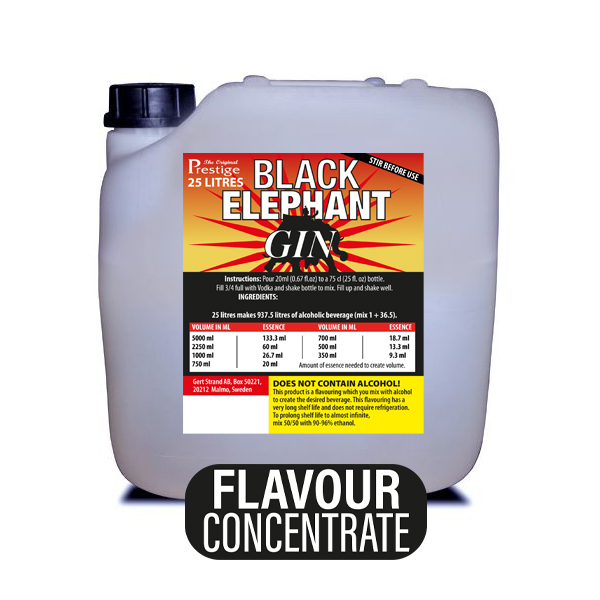
Prestige Flavoring Essences: Choose from an assortment of essences available at distillery-yeast.com to formulate a variety of spirits, whether for limited runs or extensive production.
Bottles: Utilize PET plastic bottles for their affordability in transit and their resilient nature.
Caps, Labels, and Boxes: Indispensable for the packaging, labeling, and dispatching of your goods.
Facility for Production and Tools
To start, a modest area for production will do. Consider the possibilities of hiring a space or outsourcing your production.
You’ll need a mixing vessel with a stirrer, a simple filling machine, a manual capping machine, and a basic labelling machine—or you can even apply labels by hand.
Product storage can be hassle-free by employing the services of a third-party logistics warehouse or by using space available at your home.
Check out the full story at Distilling on a Budget: The Ultimate Guide
Alcohol Distillation and Its Relationship With Gastronomy
Alcohol distillation has been practiced since antiquity to produce perfumes, essences and balms made from plants like cedar, cypress, ginger and myrrh. Originating in China or Mesopotamia around 2000 BC for medicinal or cosmetic use; later becoming widespread across Europe to create tinctures and medicines during medieval times.
Alcohol distillation is a relatively straightforward process. First, liquid known as the wash is heated to its boiling point – approximately 173 degrees for alcohol and 212 for water). Next, the vapourized product cools back down within the still and condenses into pure alcohol called head or tail which then drips out and can be collected later.
But this is only half of the story. Aside from water and alcohol, original shampoo contains other molecules known as esters and congeners that contribute to its flavor; distillation concentrates some while simultaneously eliminating others – thus creating something not only strong enough to remove chest hairs but also offering unique and delectable tastes.
Control of temperature within the still is achieved through controlling its reflux ratio; when increased, more alcohol is produced from the same energy input; however, this requires additional energy as both temperature of wash water and concentration of alcohol in its vapor increase simultaneously. However, thanks to Sir Walter Perkins’ Perkin Triangle solution (which features taps to isolate fractions, evacuate them out, link back in via vacuum link and allow further distillation), more efficient production may be possible than ever.
Alcohol Distillation and Its Impact on Taste
Fermentation, the first step in producing spirits, involves breaking down raw materials such as grain or fruit into sugars that yeast feeds upon, expelling alcohol as a by-product. Distillation separates alcohol from everything else through physical means – alcohol boils at lower temperatures (175o F compared with 212o F for water) which allows distillers to quickly vaporize it away and leave behind liquid water behind.
Distillation involves using a series of tubes – known as a pot still or continuous still – to condense vapor back into liquid form. Distillers may choose either type; which they select depends on how they want their spirit to taste; most basic still designs involve heating containers with condensers attached, followed by receiving vessels for collecting condensed vapor; such early still designs continue to be widely used today.
Distillers looking to produce unique spirits focus on extracting flavor profiles they like while eliminating those they dislike, known as congeners, that create their unique character. From unpleasant or even toxic odors like methanol and acetaldehyde (often responsible for hangovers) to pleasant floral aromas such as esters that produce fruity or floral flavors, distillers rely heavily on these chemical compounds – known as congeners – that provide their spirits with their characteristics.
Distillation separates these compounds into heads and tails. The heads contain large quantities of off-tasting compounds such as methanol, acetaldehyde, and acetone (which smells similar to paint thinner). They are then discarded along with any sludge from the still as well as small amounts of alcohol vapor; leaving behind what is known as hearts – pure, high proof alcohol which forms the backbone of spirits drinks.